The Untold Truth: Why the Heart of ‘The Waltons’ Scattered Behind the Scenes
The legacy of The Waltons remains an unshakeable pillar of American television history, a gentle balm of family solidarity that comforted millions of households through turbulent times. Yet, behind the wholesome, tight-knit facade of the Virginia mountain home, a quiet revolution was taking place among the actors who brought these iconic figures to life. The departures of the show’s biggest stars were not fueled by explosive Hollywood scandals, but rather by the deeply human pursuits of artistic growth, physical survival, and the inevitable passage of time.
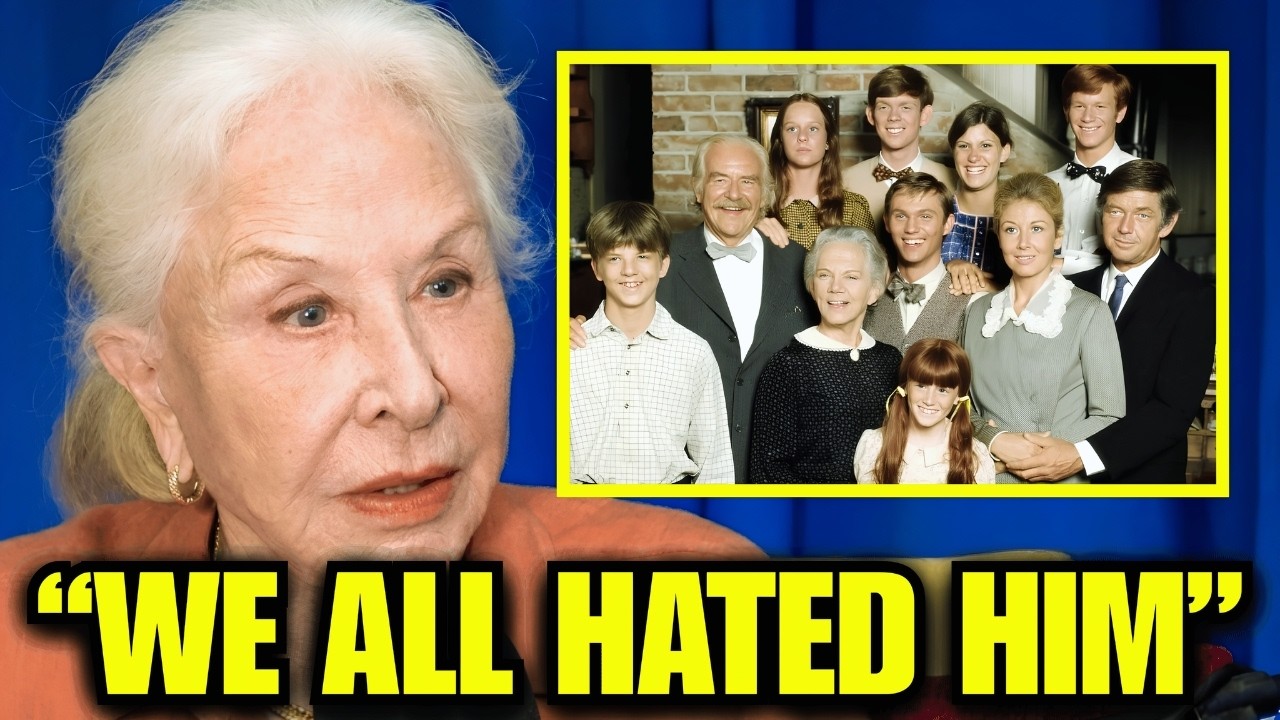
At the very center of this shifting dynamic was Richard Thomas, whose portrayal of the idealistic, aspiring writer John-Boy served as the emotional anchor of the entire narrative. By the end of the fifth season, Thomas faced a classic creative crossroads that many defining television stars encounter. His departure was a calculated leap of faith; with his five-year contract fulfilled, the young actor refused to let the walls of Walton’s Mountain box in his artistic future. He chose to step away into the worlds of theater and diverse film roles, leaving fans heartbroken but proving that even the most beloved characters must eventually outgrow their nests.
Equally profound was the exit of Michael Learned, the matriarch Olivia Walton, whose steady grace provided the show with its moral compass. Learned’s decision to leave was born from a profound sense of artistic underutilization rather than a desire for fame. She openly expressed frustration with the writers, noting that her complex character had been gradually reduced to the background, trapped in repetitive, mundane domestic chores like endlessly pouring coffee. For a powerhouse actress, the decision to walk away was an act of self-respect, demanding roles that offered genuine depth rather than comfortable stagnation.
The production was also forced to mirror the harsh, fragile realities of human life through its senior cast members, most notably the legendary Ellen Corby. As Grandma Esther Walton, Corby brought a sharp wit and fierce love to the family dynamic, but her life changed instantly when she suffered a massive, real-life stroke. Instead of recasting the role, the producers showed immense integrity by incorporating her real physical limitations into the script. Her triumphant, albeit limited, return to the screen became a testament to sheer human willpower, blurring the lines between fiction and reality.
Tragedy struck the set even more permanently with the sudden passing of Will Geer, the irreplaceable Grandpa Zeb Walton, in 1978. Geer’s robust energy and folksy wisdom had given the show its unique heartbeat, making his death a devastating blow to both the cast and the audience. Rather than ignoring the loss or finding a replacement, the showrunners made the brave journalistic and creative choice to write his death directly into the plotline. This allowed the actors to grieve their genuine loss on camera, delivering one of the most raw and authentic episodes in television history.
From a critical perspective, these departures transformed The Waltons from a simple, idealized drama into a living, breathing reflection of real-world evolution. The show did not crumble because its stars left; instead, it adapted, showing viewers that families must navigate loss, aging, and the departure of the young. It proved that the bond of the Walton family was stronger than any single actor, cementing its place in the annals of broadcasting as a masterclass in narrative resilience.
Ultimately, the real story behind the empty chairs at the Walton dinner table is one of profound respect for the artists and the reality of life. The actors did not abandon a hit series out of spite, but rather listened to the call of their own health, careers, and mortality. Decades later, understanding these real-life transitions only deepens our appreciation for the show, reminding us that the love shared on Walton’s Mountain was as real as the struggles faced by the people who built it.