The Song That Said No to Elvis: How Dolly Parton’s Publishing Triumph Rewrote Music History
Dolly Parton made a legendary business decision in 1974 by refusing Elvis Presley the publishing rights to “I Will Always Love You,” a choice that ultimately secured her music royalties and built her lasting fortune. This single act of defiance did not just protect a piece of music; it completely revolutionized how modern artists view copyright ownership and financial independence. While the industry standard at the time pressured songwriters to surrender their creative equity to mega-stars, one woman from the Great Smoky Mountains chose to trust her own vision over the immediate allure of the King of Rock and Roll.
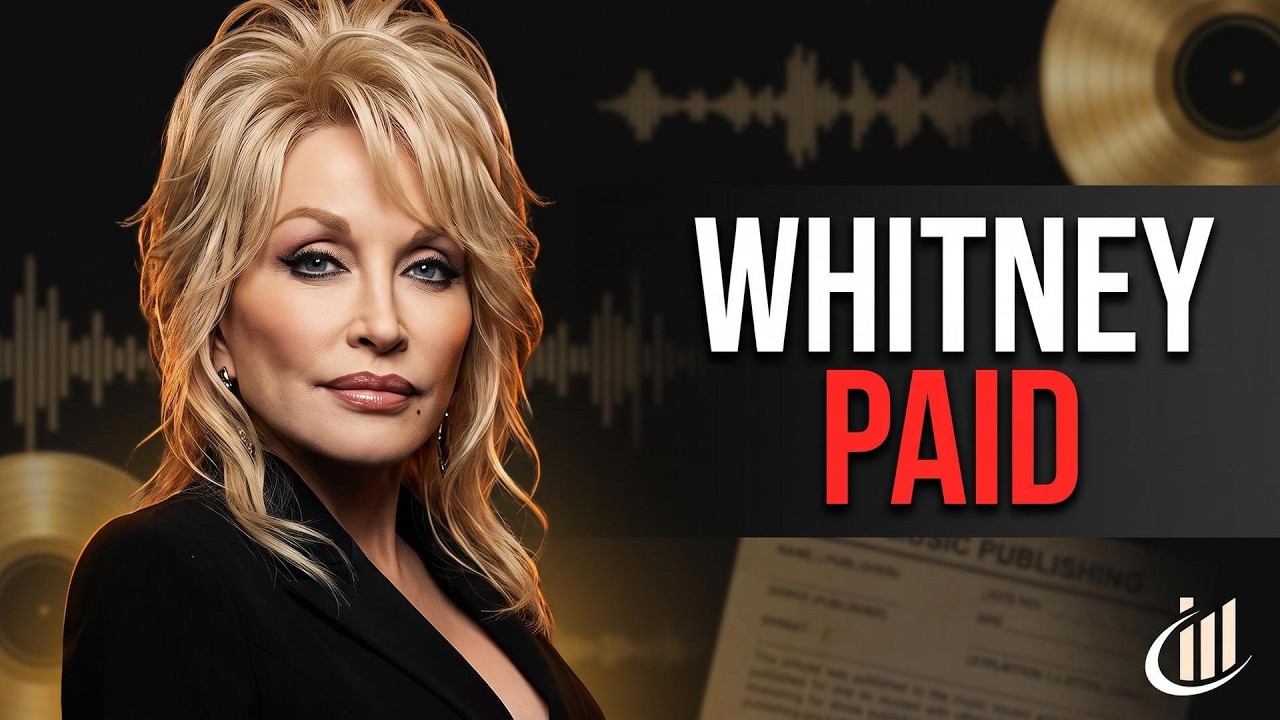
The tense standoff occurred in 1974 when Elvis Presley, captivated by the raw emotion of the track, expressed a fervent desire to record his own rendition. For any emerging songwriter, having the world’s biggest icon cover your material was the ultimate validation, promising instant global exposure. However, the dream quickly shattered when Elvis’s notorious manager, Colonel Tom Parker, delivered a ruthless ultimatum: the King would not record the song unless Dolly surrendered 50% of the publishing rights. It was an aggressive, take-it-or-leave-it proposition designed to intimidate, forcing Parton to choose between a historic collaboration and her own artistic integrity.
Driven by a sharp business instinct that defied the era’s patriarchal norms, Dolly Parton famously said no. She wept bitterly after making the decision, fully aware that she had just walked away from what appeared to be the absolute pinnacle of her career. Yet, underneath the heartbreak lay an unyielding clarity: she refused to compromise the intellectual property of her most deeply personal creation. By defending her copyright against the most powerful management team in showbiz, Parton established a profound precedent, proving that creative ownership is a non-negotiable asset.
To fully appreciate the genius of her resistance, one must understand the mechanics of music publishing rights. In the music industry, a song exists in two distinct forms: the master recording (the specific audio track of a performance) and the composition (the underlying lyrics and melody). By retaining 100% of the songwriting rights, Parton ensured that she remained the primary beneficiary of the composition itself. This meant that no matter who sang it, what language it was translated into, or what technological format emerged in the future, every single commercial usage would require her permission and trigger a royalty payment.
The true, staggering vindication of her gamble arrived nearly two decades later in 1992, courtesy of pop titan Whitney Houston. When Houston recorded her soaring, operatic cover of “I Will Always Love You” for The Bodyguard soundtrack, the track exploded into a cultural phenomenon. It spent a record-breaking 14 weeks at number one on the Billboard Hot 100 and became one of the best-selling singles of all time. Because Parton had stubbornly held onto her publishing rights, she reaped massive financial rewards from a master recording she did not own and a version she did not sing.
The financial windfall from the Whitney Houston era poured over $10 million in royalties directly into Parton’s empire during the 1990s alone. Instead of squandering this wealth, she strategically reinvested her songwriting fortunes back into her roots, funding community initiatives and expanding her iconic theme park, Dollywood. This move transformed her from a beloved country singer into a certified business mogul, proving that creative control is the ultimate engine for generational wealth. Her catalog became a self-sustaining financial powerhouse, continuously generating revenue across radio airplay, cinematic features, physical albums, and modern digital streaming platforms.
Today, Dolly Parton’s legendary rejection of Elvis Presley stands as the ultimate masterclass in entertainment strategy and self-worth. It serves as a timeless blueprint for contemporary artists navigating the complexities of streaming royalties and predatory contract negotiations. By valuing her own pen over a fleeting moment of superstar validation, Parton did more than just save a song—she permanently altered the power balance of the music industry, ensuring that her voice, her rules, and her fortune would endure forever.