The Phia Fall: How Bill Gates’ Daughter Was Caught in a Federal Fraud Scare
For years, Phoebe Gates championed a fierce narrative of self-reliance, publicly insisting that her fashion-tech startup, Phia, would thrive entirely on its own merits without leaning on the colossal shadow—or the multi-billion-dollar fortune—of her father, Bill Gates. That carefully curated image of an independent, self-made entrepreneur shattered this week following a devastating investigative report from Bloomberg. The AI-driven shopping platform is now reeling from explosive allegations of systemic affiliate-marketing deception, thrusting the billionaire’s daughter into a high-stakes legal and public relations nightmare.
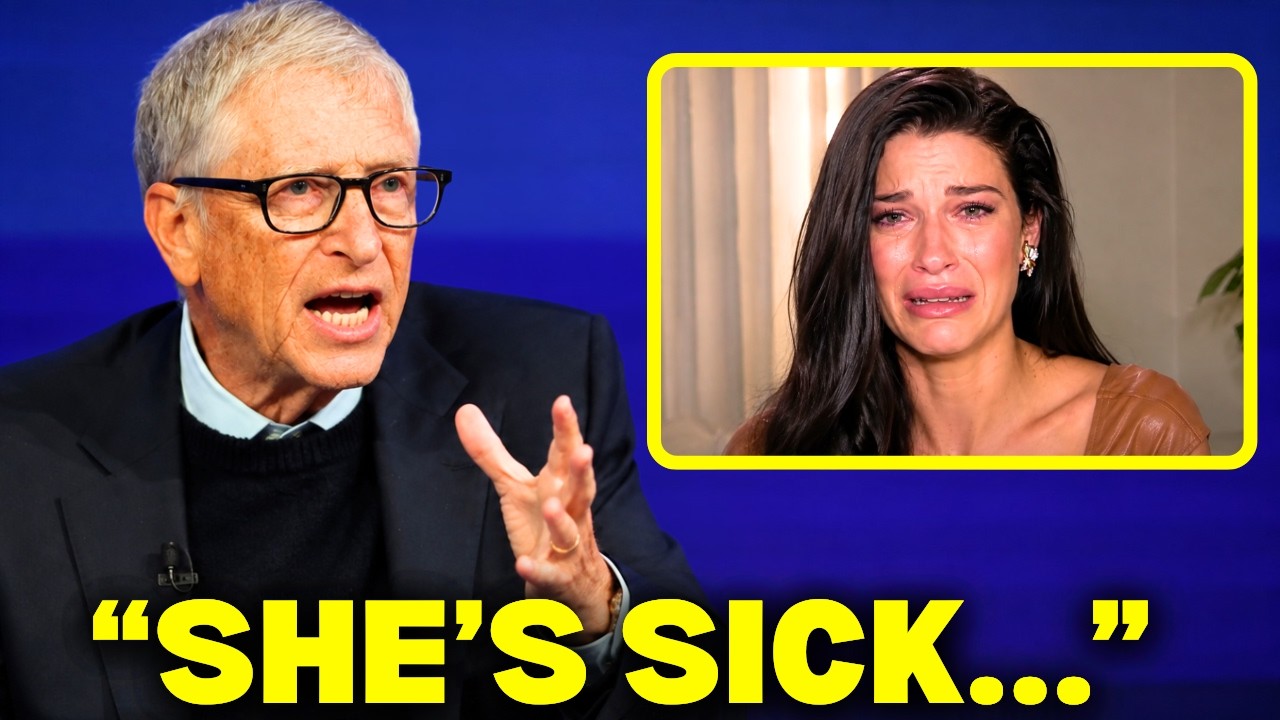
At the dark heart of the controversy is a technical manipulation known as “cookie stuffing,” a fraudulent practice where an application secretly inserts tracking codes onto a user’s device without their knowledge or consent. This deceptive feature ensured that whenever users bought items online, Phia improperly claimed financial credit and pocketed the affiliate commissions from major retailers. While initial statements from the company attempted to frame the issue as an unintended technical glitch, newly uncovered internal communications tell a radically different story of deliberate corporate misconduct.
Leaked internal messages obtained by investigative journalists explicitly reveal that Phoebe Gates and her co-founder, Sophia Kianni, were not passive bystanders; they reportedly knew about the illicit mechanism for months. Far from rushing to fix a bug, the founders actively discussed and pushed for the implementation of the feature to artificially inflate the platform’s revenue metrics. These internal logs directly challenge the company’s original defense, exposing a coordinated effort to prioritize rapid commercial growth over basic ethical boundaries and user transparency.
Legal experts warn that the transition from a technical oversight to documented, deliberate intent drastically elevates the severity of the situation. By knowingly operating a system designed to siphon unearned funds across digital networks, the founders have exposed Phia to potential federal wire fraud violations, which carry severe corporate and criminal penalties under U.S. law. Regulatory bodies and digital compliance authorities are expected to heavily scrutinize the digital footprint of the app, transforming a startup misstep into a matter of federal interest.
For Bill Gates, a tech pioneer who spent decades building a legacy centered on global philanthropy and rigorous corporate governance, the scandal has reportedly triggered immense frustration and anger. The revelation that his daughter’s venture relied on cheap digital trickery rather than genuine technological innovation strikes at the very core of the family’s public branding. Sources close to the situation indicate that the tech tycoon is furious over the reckless exposure, as the family name is now inextricably linked to a high-profile web fraud investigation.
The fallout has already begun to ripple through the tech and venture capital ecosystems, where Phia was once hailed as a promising, female-led intersection of artificial intelligence and sustainable e-commerce. Retail partners are rapidly distancing themselves from the platform to protect their own digital integrity, and tech analysts are questioning whether the app can survive the catastrophic loss of consumer trust. The scandal serves as a stark, cautionary tale about the immense pressure young tech founders face to demonstrate immediate financial viability at any cost.
As federal regulators review the leaked communications and the corporate timeline, Phoebe Gates faces an uphill battle to salvage her professional credibility and steer clear of formal indictments. The unfolding crisis proves that not even the most powerful family names in technology can shield a startup from the legal consequences of digital deception. With new details emerging daily, the tech world is watching closely to see if Phia will face a full regulatory shutdown or if its founders can somehow navigate the legal minefield ahead.