The Mirage of the “Hollywood Exposé”: Fact-Checking the Rumors Surrounding Roseanne Barr and Dolly Parton
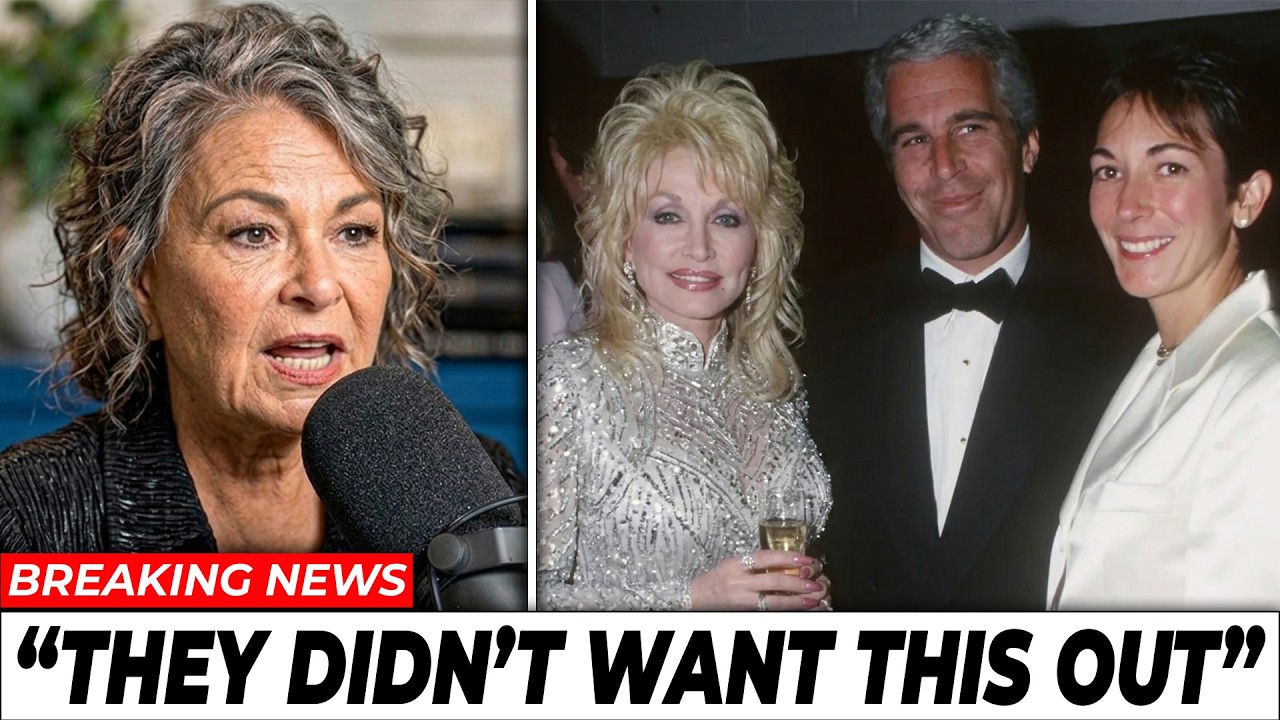
In an era dominated by hyper-speed digital algorithms, sensationalism frequently captures public attention far quicker than verified truth. Recently, a wave of social media speculation has surged online, carrying the eye-catching headline claiming that Roseanne Barr revealed a “last warning” from country music legend Dolly Parton regarding Jeffrey Epstein and industry misconduct. The claim has rapidly circulated across alternative news spaces, prompting audiences to question what is real and what is fabricated.
As journalists, our primary responsibility is to separate noise from fact, grounding our reporting in verifiable evidence rather than speculative viral trends.
A rigorous cross-examination of public records, interviews, and official statements reveals absolutely no credible evidence supporting this claim. Neither Roseanne Barr nor Dolly Parton has ever made public declarations, issued joint statements, or verified any private conversations regarding a “warning” tied to the Epstein investigation. While both figures are known for their distinct, outspoken public personas, linking them to this specific narrative is entirely unfounded.
The narrative appears to be born out of a broader digital phenomenon where prominent public figures are retroactively drafted into pre-existing conspiracy theories. By utilizing the names of highly recognizable celebrities like Parton and Barr, clickbait creators generate high-engagement content designed to exploit public distrust of the entertainment industry. This technique relies heavily on confirmation bias, urging readers to share content based on emotion rather than documented reality.
Mainstream media archives and legal depositions related to the Jeffrey Epstein case contain no mention of these interactions. While the broader conversations surrounding institutional accountability in Hollywood remain deeply relevant, attributing specific, unverified warnings to specific artists dilutes the integrity of legitimate investigative journalism. It shifts the focus from structural accountability to internet folklore.
For a deeper look into how these digital rumors form, spread, and influence public perception, media analysts have thoroughly broken down the mechanics of viral misinformation. To understand how these narratives are constructed to look like breaking news, audiences can watch the analytical discussion directly on YouTube.
Ultimately, ethical journalism demands that we verify before we amplify. In a landscape saturated with manufactured outrage and fabricated leaks, sticking to documented facts is the only way to maintain a healthy, well-informed public discourse. The rumored exchange between Dolly Parton and Roseanne Barr remains, for now, nothing more than a fiction of the internet.