The Man Who Kept Columbo on His Toes: The Chaotic Genius of Jack Cassidy
Jack Cassidy was the ultimate Columbo antagonist, a performer whose on-screen elegance masked a deeply turbulent personal life. On screen, he always looked like a man who could never lose—he was elegant, arrogant, brilliant, and completely certain that he was the smartest person in the room. Peter Falk knew exactly how to turn that towering confidence against him, creating a legendary on-screen rivalry that defined the classic detective series. Decades later, before he passed away, Falk finally revealed the profound truth about his favorite foil in his 2006 memoir, Just One More Thing, highlighting a contrast that becomes more disturbing the deeper you look.
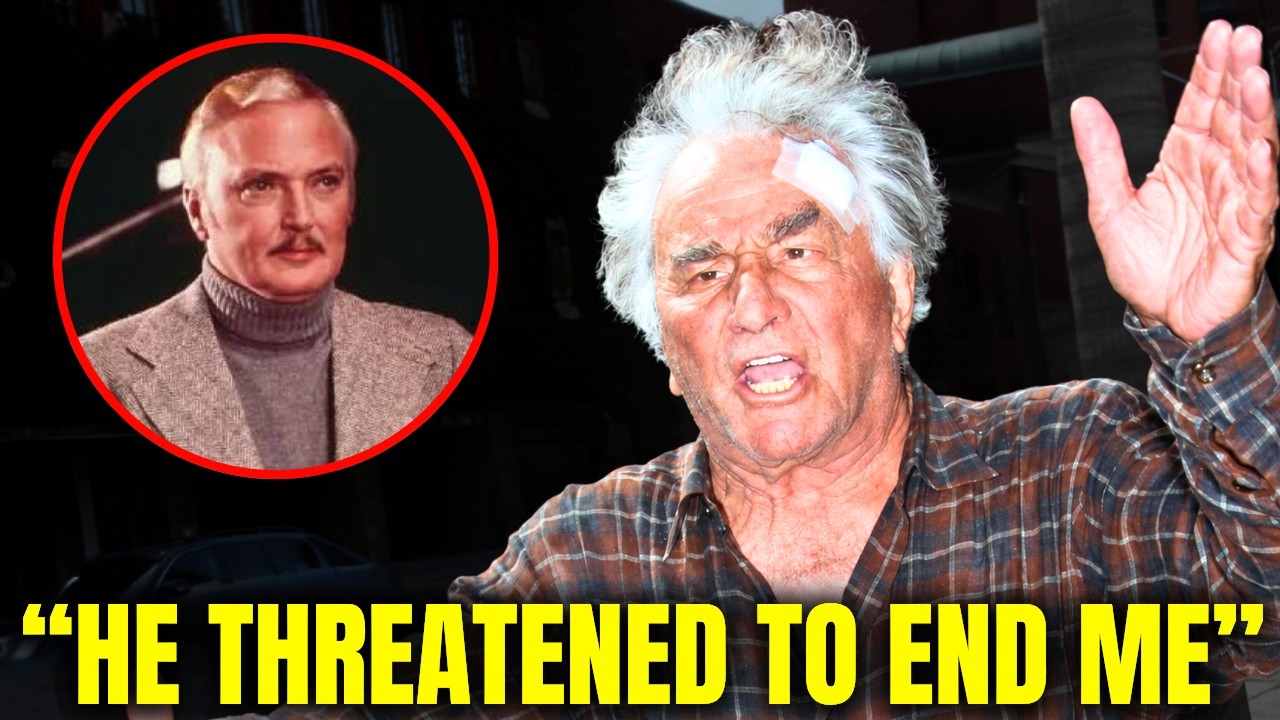
The brilliance of Cassidy’s tenure on Columbo lies in his trio of unforgettable murderers, each representing a masterclass in theatrical villainy. He first stepped into the trenchcoat-clad detective’s crosshairs in the 1971 masterpiece “Murder by the Book,” directed by a young Steven Spielberg, where he played the ruthlessly charming mystery writer Ken Franklin. Cassidy returned to perfect this archetype in 1974’s “Publish or Perish” as a murderous publisher, and delivered his final, haunting performance in 1976’s “Now You See Him…” as the illusionist Nazi-escapee, The Great Santini.
What made these performances so magnetic was the undeniable chemistry between Peter Falk and Jack Cassidy. Falk openly relished working with Cassidy, deeply admiring his flamboyant, larger-than-life theatrical style that perfectly contrasted with Lieutenant Columbo’s rumpled, unassuming demeanor. Cassidy’s characters did not just commit crimes; they openly despised Columbo’s apparent incompetence, creating a psychological chess match where their elitist arrogance ultimately became their undoing. In a fascinating quirk of television history, every single one of Cassidy’s episodes featured a crucial, pivotal interaction involving a typewriter, serving as a recurring motif of their intellectual warfare.
Yet, behind those polished, Emmy-nominated performances was a life growing increasingly chaotic and fragile. Off-screen, Cassidy grappled with severe bipolar disorder, alcoholism, and a crumbling personal life, including the painful dissolution of his high-profile marriage to actress Shirley Jones. He masked his internal psychological agony with a hyper-confident public persona, but those close to him knew he was walking a dangerous tightrope. His real-life tragic end came all too soon in December 1976, when he died in a horrific, alcohol-fueled late-night apartment fire just months after his final Columbo episode aired.
In his memoir, Peter Falk looked past the tragic headlines to cement Jack Cassidy’s true legacy as a misunderstood genius. Falk wrote with immense warmth, stripping away the tabloid sensationalism to remember a co-star who brought unparalleled energy to the set and pushed him to his absolute best as an actor. For fans of classic television, Cassidy remains the gold standard of Columbo villains—a man who played the part of the flawless intellectual so perfectly because, in another life, he desperately wished it were true.