The Anatomy of Rumor: Why Bonnie Raitt Never Named the “Worst Womanizers” of the 1970s
The internet era has a unique appetite for retrospective scandal, often weaponizing the names of beloved icons to feed the clickbait machine. Recently, a sensational rumor began circulating online, claiming that at 75 years old, blues-rock legend Bonnie Raitt had finally broken her silence to name the “worst womanizers” of the 1970s rock scene. For a brief moment, social media feeds buzzed with anticipation, waiting for a legendary figure to dish decades-old dirt on her contemporaries. However, an investigation into the matter reveals absolutely no truth to these claims, exposing them instead as fabricated digital noise.
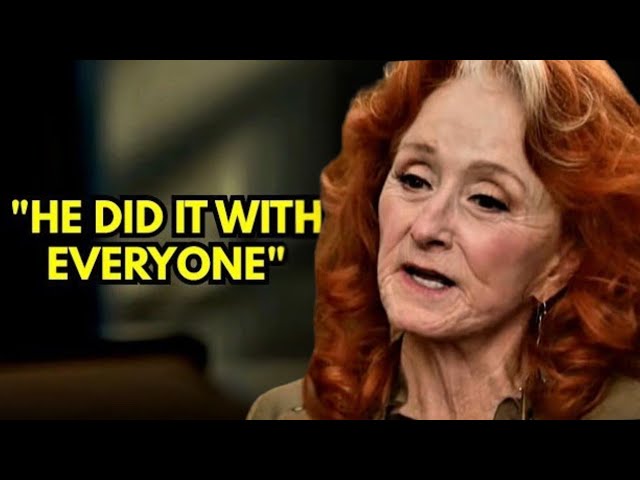
As a standard of responsible journalism, it is critical to separate fact from viral fiction. There is no public record, archival interview, or credible news report of Bonnie Raitt ever making such statements. Throughout her illustrious five-decade career, Raitt has established herself not as a purveyor of tabloid gossip, but as a trailblazing artist defined by dignity and mutual respect. Her legacy is built on musical mastery and advocacy, making the recent wave of sensationalized headlines entirely inconsistent with her character.
To understand why this rumor lacks credibility, one must look at Raitt’s genuine historical footprint from the 1970s. Emerging as a rare female guitarist in a heavily male-dominated blues-rock landscape, she commanded respect through sheer talent and authenticity. Instead of engaging in the reckless lifestyle politics of the era, she formed deep, professional bonds with her peers. She chose to lift up her fellow musicians rather than tear them down in public forums, setting a precedent for how she handles her public platform to this day.
When Bonnie Raitt does reflect on her past in interviews, her focus remains fiercely dedicated to the art form and the people who taught her. She speaks with profound reverence about her musical mentors—blues titans like Muddy Waters, Mississippi Fred McDowell, and Sippie Wallace. Her media appearances are masterclasses in music history, focusing on the preservation of traditional blues, the mechanics of slide guitar, and her own journey through the industry. The narrative of her life is one of creative survival, not Hollywood exposure.
Furthermore, Raitt’s modern commentary centers heavily on her personal growth, sobriety, and late-career resurgence. After achieving massive commercial success with her 1989 album Nick of Time, she became an inspiration for artists navigating longevity in a volatile industry. When journalists interview her today, the conversation naturally flows toward her continued activism, her recent Grammy wins, and her gratitude for her health. Petty retrospective call-outs simply do not fit into the artistic and personal paradigm she has spent decades building.
The phenomenon of attributing fake “tell-all” quotes to aging rock stars is a growing problem in the modern digital media landscape. Low-quality websites and automated social media accounts frequently manufacture provocative headlines to drive traffic and maximize ad revenue. By targeting a beloved, high-profile figure like Raitt and linking her to the notorious excesses of 1970s rock culture, these platforms create the perfect recipe for viral engagement. It is a cautionary tale of how easily the public can be misled by a well-crafted piece of fiction.
Ultimately, Bonnie Raitt’s silence on the personal lives of her 1970s peers is exactly what makes her a class act. In an era where outrage and exposure are traded like currency, her steadfast focus on integrity, sobriety, and musical excellence remains unshakeable. Fans looking for authentic stories from the artist will find them where they have always been: woven deeply into the lyrics and chords of her timeless music. The real story of Bonnie Raitt isn’t found in a fabricated scandal, but in her enduring devotion to the blues.