The Agony of Ambiguous Grief: Rumer Willis Opens Up About Her Father Bruce’s Battle and Her Own Proactive Choice
For years, fans worldwide watched in quiet sorrow as Bruce Willis—the quintessential Hollywood tough guy—slowly faded from the public eye. The iconic, sharp-witted interviews ceased, and the larger-than-life presence that anchored blockbuster cinema for decades seemed to retreat behind closed doors. Now, his eldest daughter, Rumer Willis, has bravely stepped into the light to voice the painful reality that millions of families face but rarely find the words to describe: the devastating weight of ambiguous grief.
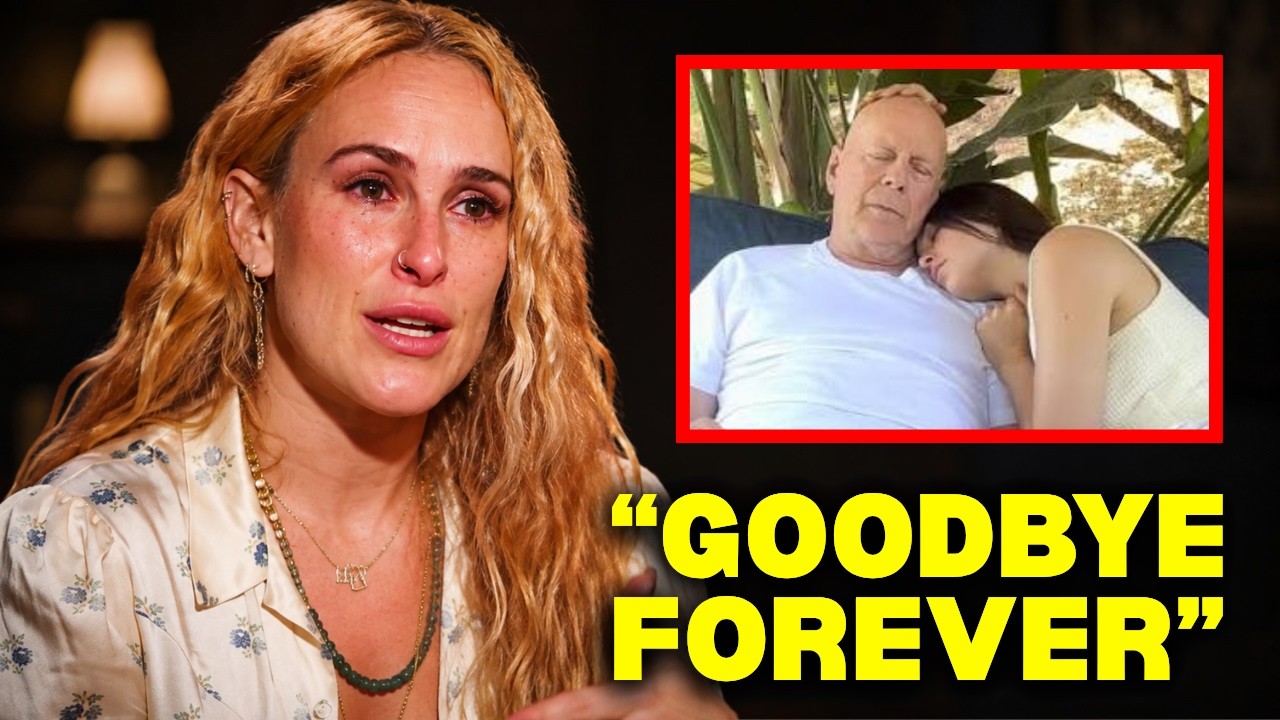
In a deeply moving disclosure, Rumer opened up about the emotional tightrope of watching someone she loves unconditionally transform before her eyes. Bruce is still here, still fiercely loved, and still her dad, yet the fundamental nature of their connection has fundamentally shifted. Her words cut straight to the heart of a universal heartache, forcing us to confront a heavy, lingering question: how do you properly grieve someone who is still physically alive?
This bittersweet journey is not just about looking backward with nostalgia; it is about the grueling daily practice of staying grounded in the present. Rumer admitted to the profound ache of missing the vibrant, fast-talking version of her father that the world knew so well. Yet, rather than allowing herself to be swallowed by despair, she has actively chosen to honor his essence by finding beauty and connection in the quiet, fragile moments they still share today.
Beyond the emotional toll, navigating a parent’s decline often brings families face-to-face with their own mortality and fears for the future. The experience of watching her father battle frontotemporal dementia (FTD) serves as a stark, sobering wake-up call. It highlights the unpredictable, unforgiving reality of neurodegenerative illnesses, forcing loved ones to navigate a complex labyrinth of care, patience, and profound lifestyle adjustments.
Driven by this heartbreaking reality, Rumer refused to remain a passive bystander to genetic fate. In a powerful move toward self-preservation, she revealed that she has undergone proactive genetic testing to assess her own long-term health risks. By seeking clarity through modern medicine, she is rewriting her own narrative, transforming a family tragedy into a catalyst for personal health empowerment and awareness.
Rumer’s vulnerability does more than just shed light on the Willis family’s private struggles; it shatters the stigma surrounding cognitive decline. Her story serves as a mirror for countless silent caregivers worldwide, validating the confusing, messy nature of loving someone through dementia. It reminds us that grief is not a linear path that only begins after a loss, but a quiet, ongoing process of adapting to a changing reality.
Ultimately, what Rumer Willis has revealed fundamentally changes how we view Bruce’s final, most difficult chapter. This is no longer just a tragic Hollywood exit; it is a profound testament to enduring family bond, resilience, and the courage to face an uncertain future. Through her strength, the Willis legacy evolves from one of cinematic action into an inspiring blueprint for grace, advocacy, and unconditional love.