Sumerian Tablet Reveals Why 90,000 People Hid Underground & What Hunted Them
The viral sensation claiming a 4,400-year-old Sumerian tablet documents 90,000 humans fleeing underground from a “radioactive flying nightmare” has officially collided with scientific reality. What was marketed to millions of social media users as a hidden historical apocalypse has been thoroughly dismantled by the global archaeological community. In an era where digital sensationalism frequently outpaces factual verification, this narrative serves as a stark reminder of how easily ancient history can be manipulated for modern engagement.
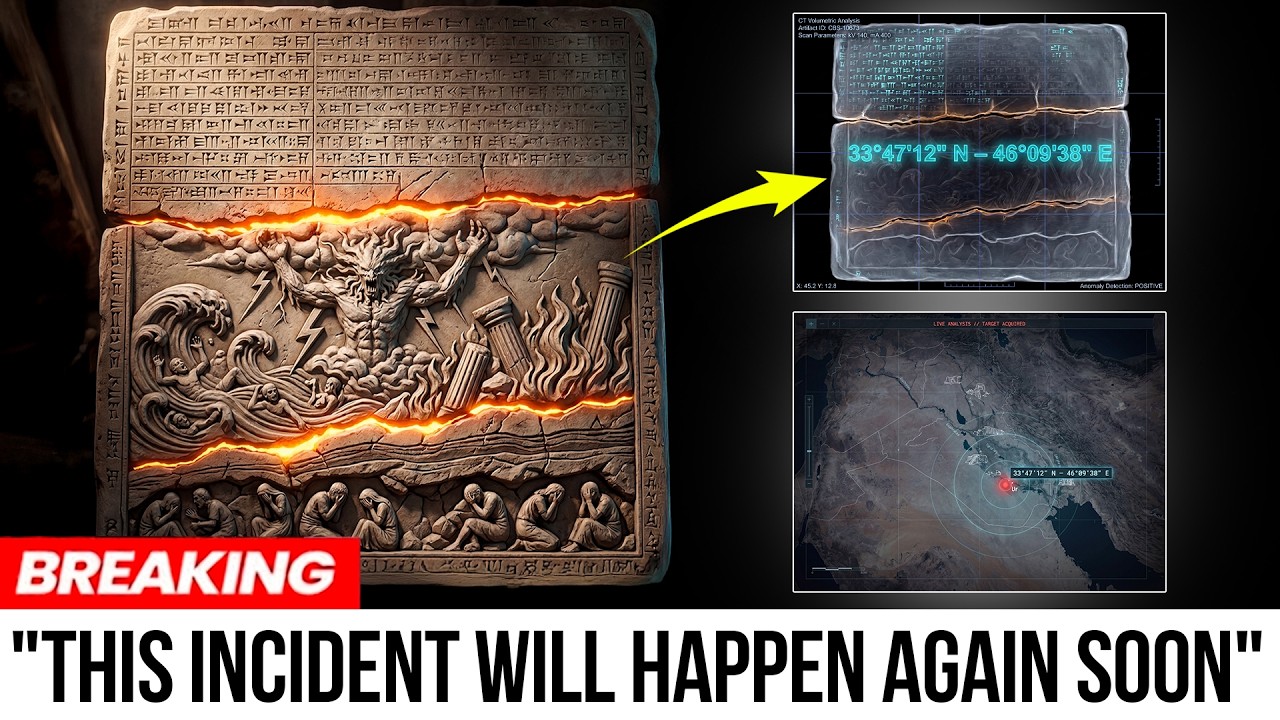
At the heart of this linguistic investigation are the world’s leading cuneiform experts, including researchers from the University of Chicago, who spent decades decoding the actual clay remnants of Mesopotamia. The authentic inscriptions do not detail an extraterrestrial invasion, bunker architecture, or advanced prehistoric weaponry. Instead, the surviving clay tablets preserve a deeply spiritual and poetic mythological narrative centered around an ancient storm deity trapped within the subterranean depths of the Earth.
Remarkably, the true protagonist of this 4,400-year-old literary work is not a specialized military force or an ancient king, but a clever, cunning fox. According to the translated cuneiform text, this resourceful animal steps forward as the ultimate volunteer, daring to descend into the treacherous Mesopotamian underworld to rescue the trapped storm god. Scholars emphasize that this allegorical animal figure represents the classic mythological “trickster”—using intellect and wit to navigate dangerous realms where conventional strength completely fails.
This genuine historical text aligns perfectly with the broader traditions of Mesopotamian literature, sharing thematic roots with foundational epics like the Eridu Genesis. Rather than serving as a literal historical record of underground human survival, these tablets reflect the ancient Sumerian worldview, utilizing vivid metaphors to explain natural phenomena, environmental changes, seasonal shifts, and the unpredictable nature of cosmic forces.
The dramatic divergence between historical fact and internet fiction highlights a growing trend among algorithmic content creators on platforms like TikTok and YouTube. By artfully blending high-profile, legitimate archaeological projects—such as the recent, groundbreaking excavations at the ancient city of Girsu in modern-day Iraq—with aggressive science-fiction tropes, internet channels successfully blurred the line between academic science and pure creative fantasy.
For modern readers, the swift spread of the “90,000 hiding underground” myth emphasizes the vital role of ethical journalism and public education in protecting historical truth. While the fictional narrative of an ancient alien hunt offers immediate, short-term entertainment, it ultimately diminishes the profound complexity of the actual human past. True historical discovery does not require fabricated monsters to capture the human imagination.
Ultimately, the real treasure recovered from the ruins of ancient Sumer is not a sensational warning of an underground war, but an enduring testament to the timeless power of human storytelling. The enduring legacy of a clever fox navigating the underworld to restore balance to the skies remains far more culturally significant than any fleeting internet hoax. As excavations continue across the cradle of civilization, the true duty of the historian remains unchanging: to let the clay speak for itself.