Behind The Screen: The Real Triumph And Resilience Of Television Icon Vicki Lawrence
To millions of households across America, the fiery, sharp-tongued matriarch known simply as “Mama” was a staple of weekend laughter. Behind the gray wig and the orthopedic shoes on The Carol Burnett Show and Mama’s Family stood Vicki Lawrence, a powerhouse of comedic timing and theatrical energy. Yet, beneath the roaring applause of Hollywood studio audiences lay a narrative far more nuanced than a simple Hollywood success story. Recent retrospective accounts have framed her journey as a “double life,” but a closer look reveals it was actually a profound masterclass in managing sudden fame, enduring health struggles, and fighting to claim a personal identity.
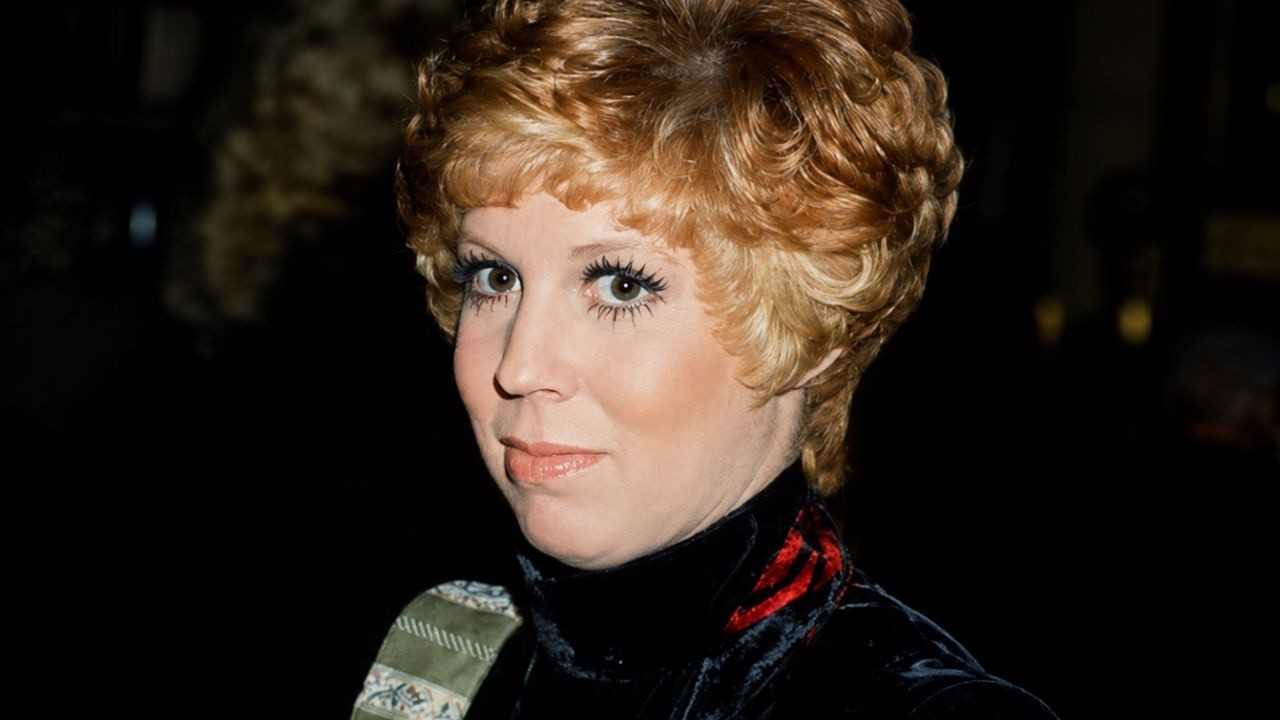
The origin of Lawrence’s legendary career reads like a script from a classic Hollywood movie. As a regular high school student in Inglewood, California, she penned a simple fan letter to Carol Burnett, casually mentioning that people often pointed out their striking physical resemblance. In an extraordinary twist of fate, Burnett went to see the young teenager perform at a local pageant, recognized her raw potential, and hired her almost on the spot. Overnight, the 18-year-old was thrust from the quiet halls of high school straight into the high-stakes, high-pressure world of prime-time television alongside comedy giants.
Stepping into the national spotlight at such a tender age brought an immediate psychological toll. Lawrence quietly faced the immense pressure of learning professional show business on live television, constantly fearing she might fail to measure up to the legends surrounding her. She spent her formative young adult years performing in the shadow of Carol Burnett, her mentor and boss, creating a complex internal struggle. The young actress had to work twice as hard to construct an independent identity, desperately trying to avoid being viewed merely as a lookalike sidekick.
The ultimate breakthrough came in 1974 with the birth of Thelma “Mama” Harper during “The Family” sketches. Lawrence paradoxically achieved her greatest artistic independence by hiding her youth under heavy makeup, playing a cynical, elderly Southern woman while she herself was only in her mid-twenties. This brilliant performance eventually birthed the hit spin-off sitcom Mama’s Family in 1983, proving to industry skeptics that Lawrence could anchor a successful franchise entirely on her own merit.
Beyond the comedic sketch acting, Lawrence’s multi-faceted talents reached the very top of the music charts. In 1973, she released the dark Southern Gothic ballad “The Night the Lights Went Out in Georgia,” which quickly shocked the industry by becoming a number-one hit single. Later in the 1990s, she reinvented herself yet again as a daytime talk show host with Vicki!, showing the world that she possessed an authentic, empathetic voice completely separate from her fictional characters.
However, maintaining this relentless professional momentum required navigating quiet personal heartbreaks and significant health challenges behind closed doors. In her later years, Lawrence became a passionate advocate for health awareness after being diagnosed with Chronic Idiopathic Urticaria (CIU), a painful, isolating skin condition. Instead of retreating from the public eye, she utilized her fame to launch educational campaigns, turning her private health struggles into a source of comfort and strength for thousands of suffering fans.
Ultimately, Vicki Lawrence did not lead a scandalous double life; rather, she gracefully balanced the dazzling public persona of an American television icon with the quiet vulnerabilities of a resilient woman. She successfully navigated the immense pressures of sudden fame, conquered profound health challenges, and broke out of a giant shadow to build a lasting legacy. Her true story serves as an inspiring reminder that the greatest performance of all is the courageous act of authoring your own identity.