Behind the Screen: The Lonely Rebellion of Jean Arthur
For decades, Hollywood has functioned as a relentless factory of public consumption, demanding that its icons surrender their private lives for the sake of the box office. Yet, during the height of the Golden Age, one of cinema’s most radiant leading ladies quietly staged a radical, lifelong rebellion against the very machinery that created her. Jean Arthur captivated millions with her unmistakable warmth and razor-sharp wit, but behind the celluloid glamour lay a deeply guarded secret: a profound, agonizing warfare between her artistic genius and the terrifying weight of her own celebrity.
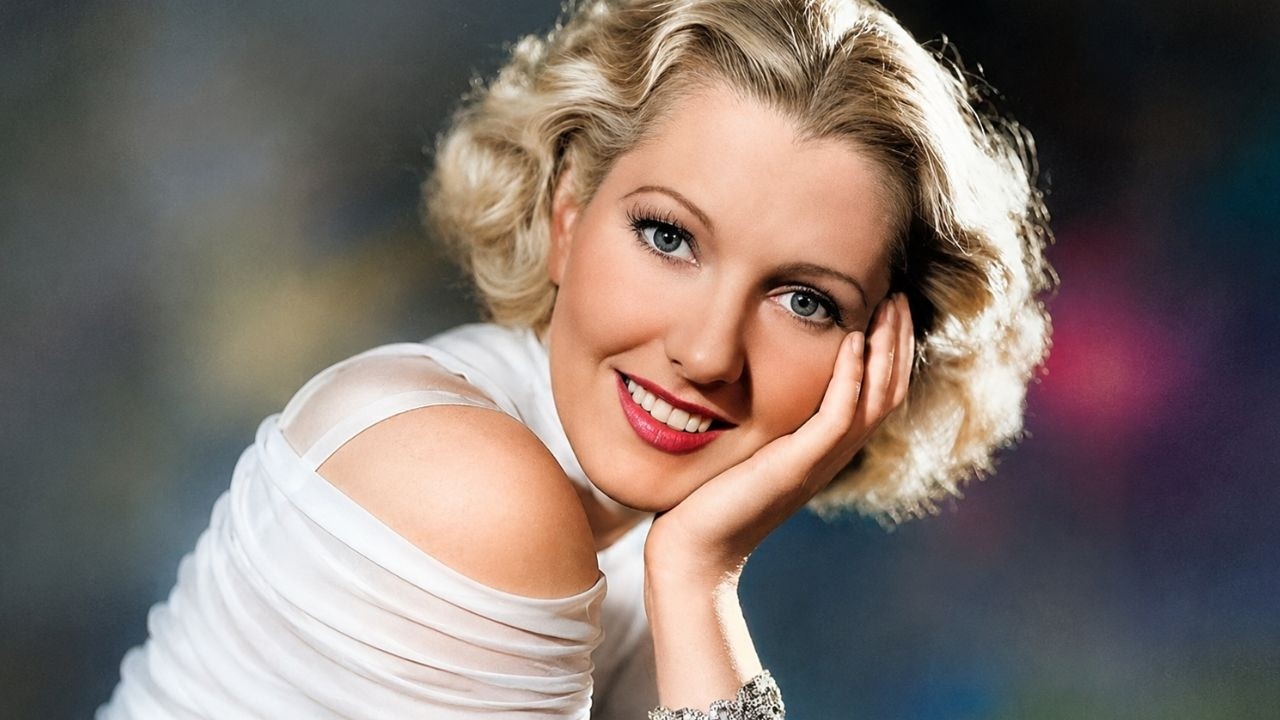
To the public, she was the definitive heroine of classic American cinema, immortalized in timeless masterpieces like Mr. Deeds Goes to Town, You Can’t Take It with You, and the seminal western Shane. On screen, Arthur commanded the frame with an effortless, luminous charm that made audiences believe they knew her intimately. Her performances were defined by a vibrant spontaneity, yet this apparent ease was the ultimate illusion masking a starkly different internal reality.
In truth, the woman who brought such joy to millions spent much of her existence hiding in plain sight, living a double life designed to shield her fragile spirit from the public eye. While her contemporaries eagerly embraced the glittering circus of red carpets, press junkets, and endless studio publicity, Arthur treated fame not as a prize, but as a cage. She retreated into a fortress of absolute privacy, refusing to play the part of the accessible starlet.
This desperate need for isolation was not born out of elitism, but out of a paralyzing struggle with severe anxiety and debilitating stage fright. Every step onto a soundstage or a theater platform was a battle against her own nervous system, an ordeal that turned the craft she loved into a source of immense psychological pressure. The contrast was staggering: the same actress who projected total confidence before a rolling camera was, in reality, suffocating under the relentless gaze of the world.
As the demands of the studio system grew increasingly suffocating, Arthur made a choice that stunned the industry but ultimately saved her life. She chose to walk away, quietly dismantling the persona of the Hollywood goddess to reclaim the humanity that the spotlight threatened to erase. By withdrawing from the film industry, she made a definitive statement that her mental well-being and personal peace were worth far more than any box-office contract.
Her final decades were spent far from the flashbulbs, in a quiet seclusion where she could finally breathe without the crushing expectation of being “Jean Arthur.” In this self-imposed exile, away from the artificial warmth of studio lights, she discovered the genuine peace that millions of fans and accolades could never provide. Her retreat was a rare, courageous act of self-preservation in an era that rarely permitted women to own their own narrative.
Ultimately, Jean Arthur’s true legacy is not just the brilliant filmography she left behind, but her refusal to let Hollywood consume her soul. She proved that a person could conquer the peak of cinematic achievement and still choose the quiet dignity of a private life over the superficial noise of eternal fame. Her story remains a poignant reminder that sometimes the most heroic act a star can perform is simply stepping out of the spotlight to find themselves.