Behind the Laughter: The True Story of Gracie Allen and George Burns’ Legendary Romance
In an era of Hollywood history where showbiz marriages routinely fractured under the glare of the spotlight, comedic icon Gracie Allen and her husband, George Burns, stood as a rare, unbreakable monolith. For decades, audiences tuned in to witness Gracie’s delightfully scatterbrained persona and George’s patient, cigar-smoking straight-man routine. Yet, beneath the perfectly timed punchlines lay a profound, multi-layered reality. This dynamic partnership not only redefined American media across vaudeville, radio, and television, but also harbored a quiet depth that defied the superficiality of fame.
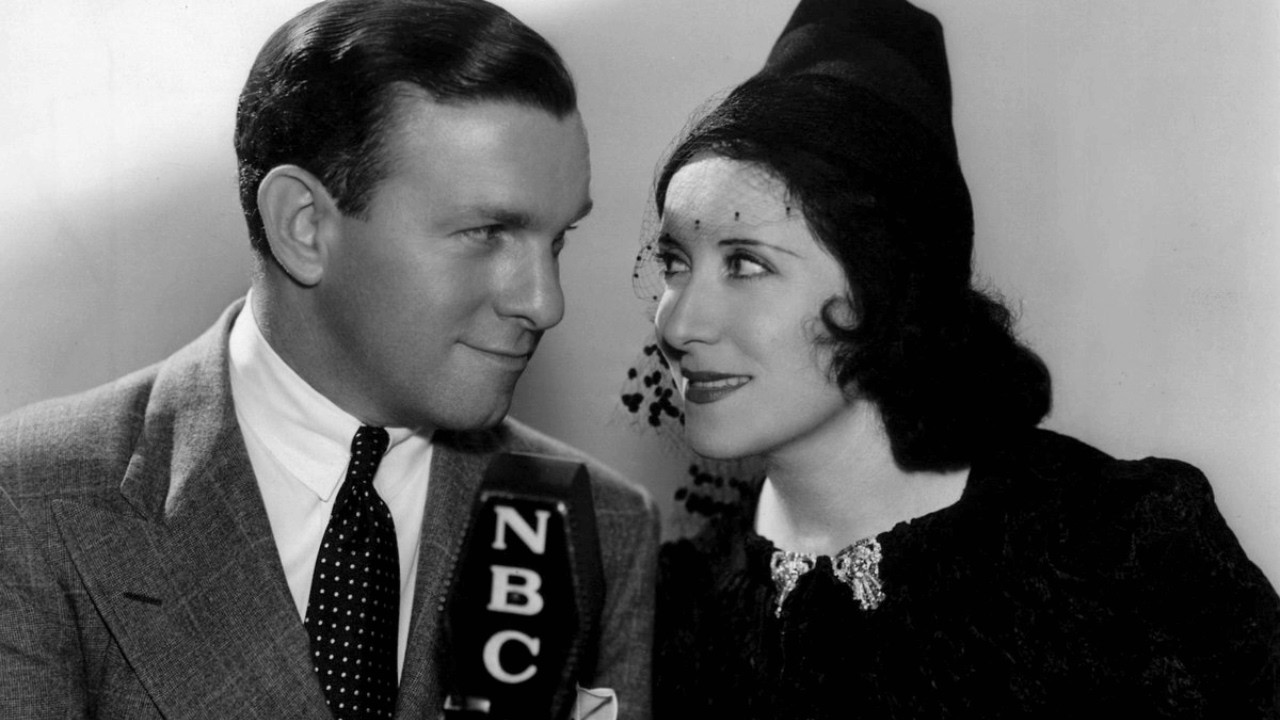
The genesis of their legendary act began in the gritty, fast-paced world of 1920s vaudeville. When Gracie Allen first crossed paths with George Burns, she was a dramatic actress looking for a comedic break, and he was a struggling performer looking for a spark. Their professional alignment clicked instantly, culminating in their marriage in 1926. On stage, they established a masterclass in comedic chemistry; off stage, they laid the foundation for a 38-year marriage anchored by mutual respect, shared ambition, and an unshakeable emotional bond.
To understand their enduring legacy, one must dissect the unique dynamic of their roles. George famously acknowledged that Gracie was the true engine of their success, frequently stating that his greatest talent was simply being married to her. He intentionally structured their scripts to highlight her brilliant, erratic comic timing, willingly stepping into her shadow to let her star shine brightest. This absolute lack of professional ego between spouses became the secret weapon that catapulted The George Burns and Gracie Allen Show into a national phenomenon.
However, the contrast between Gracie’s public persona and her private reality remains one of the most compelling chapters of her life. While millions of fans perceived her as a chaotic, joke-telling eccentric, those closest to her knew a completely different woman. Offstage, Gracie was a quiet homebody, an exceptionally organized thinker, and a deeply dedicated mother. She rarely, if ever, told jokes in real life, consciously separating her high-energy career from the tranquil, stable sanctuary of her family home.
This sharp boundary between celebrity and domestic privacy allowed their relationship to survive the grueling pressures of the entertainment industry. While tabloid headlines of the era frequently hinted at hidden scandals or manufactured drama, the ultimate truth of the Burns and Allen marriage was remarkably wholesome. Their grand secret was not a hidden controversy, but rather a rare, unwavering devotion that grew stronger as they transitioned from radio waves to the living rooms of early television.
The historic partnership came to a heartbreaking conclusion on August 27, 1964, when Gracie passed away from a heart attack. Her death left a profound void in the entertainment world and a permanent scar on George’s heart. Despite living for more than three decades after her passing, George never remarried, frequently visiting her resting place and dedicating much of his solo career to keeping her memory alive. His enduring grief and public tributes proved that their bond was never just a calculated Hollywood marketing strategy.
Six decades after her passing, the legacy of Gracie Allen continues to captivate modern audiences studying the golden age of comedy. Her life serves as a powerful testament to how genuine love and professional collaboration can seamlessly coexist without destroying one another. Ultimately, the true story of Burns and Allen challenges the cynical assumptions of modern celebrity culture, proving that Hollywood’s greatest love story was entirely real.