Before She Died, Betty Broderick Broke Her Silence About Ex-Husband Daniel Broderick
The late Betty Broderick, who recently passed away at the age of 78 while serving a life sentence in Chino, California, remains one of the most polarizing figures in modern American legal history. Before a fatal bout of sepsis silenced her forever, the former San Diego socialite spent over three decades using every available interview, letter, and memoir to recast her notorious crime. She did not deny pulling the trigger that fateful morning; instead, she vehemently argued that her actions were the desperate culmination of an agonizing, white-collar psychological warfare waged by her elite ex-husband, Daniel T. Broderick III.
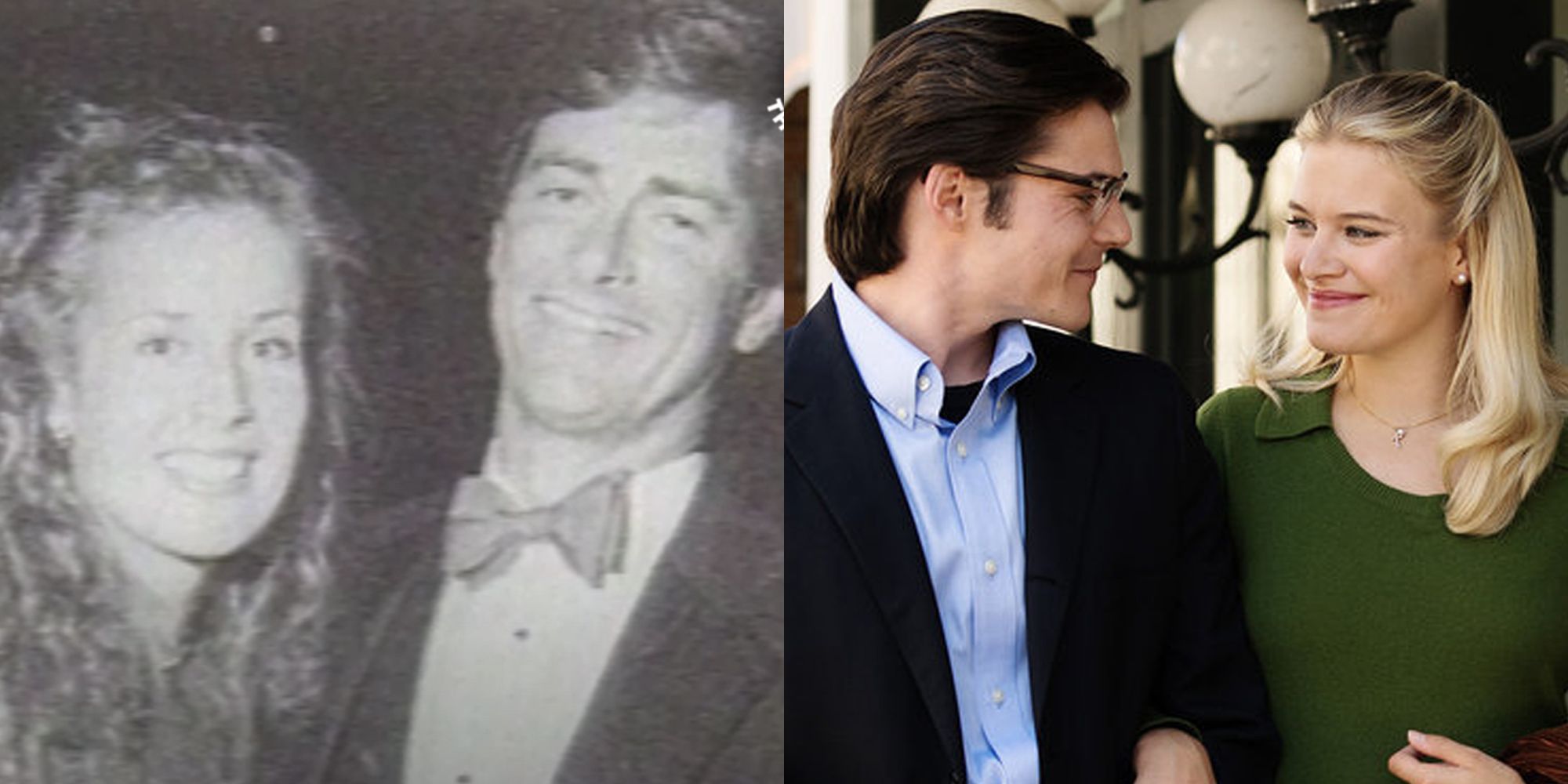
To understand the depth of her resentment, one must look back at the foundation of the Broderick marriage, which Betty described as a classic tale of sacrifice and betrayal. For years, she worked multiple jobs to support Dan through both medical school and Harvard Law School, while bearing four children and building the elite social status he craved. In her eyes, her reward for this lifetime of devotion was being cold-heartedly discarded for a younger woman, Linda Kolkena, just as Dan reached the pinnacle of his financial success and legal influence.
Betty’s most chilling and poignant defense centered on what she termed “white-collar domestic violence,” a concept she detailed extensively in a landmark interview with The New York Times. She famously asserted that if Dan had beaten her with a baseball bat, the world would have seen the bruises, intervened, and punished him. Instead, she claimed, his abuse was sophisticated and invisible—carried out through the legal system, where he used his immense power as the President of the San Diego Bar Association to systematically isolate, bankrupt, and gaslight her.
The five-year divorce battle that preceded the tragedy became a weaponized legal chess match that pushed Betty over the edge of sanity. She routinely pointed out that Dan used his intricate knowledge of the law to manipulate custody arrangements, withhold financial support, and levy heavy fines against her for emotional outbursts. To Betty, this was not a standard domestic dispute; it was a calculated campaign of coercive control that left her feeling entirely powerless against a rigged system, ultimately leading her to declare herself a “political prisoner” during her failed parole hearings.
The boiling point of this psychological pressure cooker erupted into a brutal reality on the morning of November 5, 1989. Using a stolen key, Betty slipped into Dan’s Marston Hills mansion, climbed the stairs to the master bedroom, and fired five bullets from a .38-caliber revolver into the bed where Dan and his new wife lay sleeping. In an act that prosecutors argued proved cold-blooded malice rather than temporary insanity, Betty ripped the phone cord from the wall before fleeing, ensuring that a dying Dan Broderick could never call for emergency medical help.
While prosecutors successfully painted Betty as a narcissistic, unrepentant killer who refused to take responsibility for a double murder, a fractured American public saw something entirely different. During her high-profile trials in 1990 and 1991, she inadvertently became a dark, tragic symbol for a generation of divorced women who felt chewed up and spat out by wealthy husbands and biased courts. Her story, which recently captured global attention through the hit series Dirty John: The Betty Broderick Story, continues to provoke intense debates regarding the boundaries of emotional abuse and premeditated violence.
Even as she drew her final breaths in May 2026, surrounded by the complicated love of her children, Betty Broderick never wavered in her narrative of victimhood. Her death marks the end of a tragic chapter, but the haunting questions she raised about systemic legal abuse, power imbalances, and the psychological breaking point of a discarded spouse continue to echo. She leaves behind a cautionary legacy that challenges our understanding of domestic tragedy, proving that sometimes the deepest scars are the ones that never bleed until it is far too late.