Scotland Dropped 1,000 Native Oysters Into a Dead Loch — What Filtered Back Was Beyond Anyone’s Imagination
In May 2019, a pioneering community-led initiative permanently altered the landscape of Scottish marine conservation when the grassroots charity Seawilding secured a strategic license to release 1,000 juvenile native oysters into the degraded waters of Loch Craignish. Led by visionary founder Danny Renton, this ambitious project sought to combat decades of severe ecological decline caused by destructive overfishing, bottom dredging, and heavy pollution on Scotland’s west coast. What began as a modest experiment quickly captured the imagination of the global conservation community, transforming a fading aquatic wasteland into a shining model of successful marine rewilding.
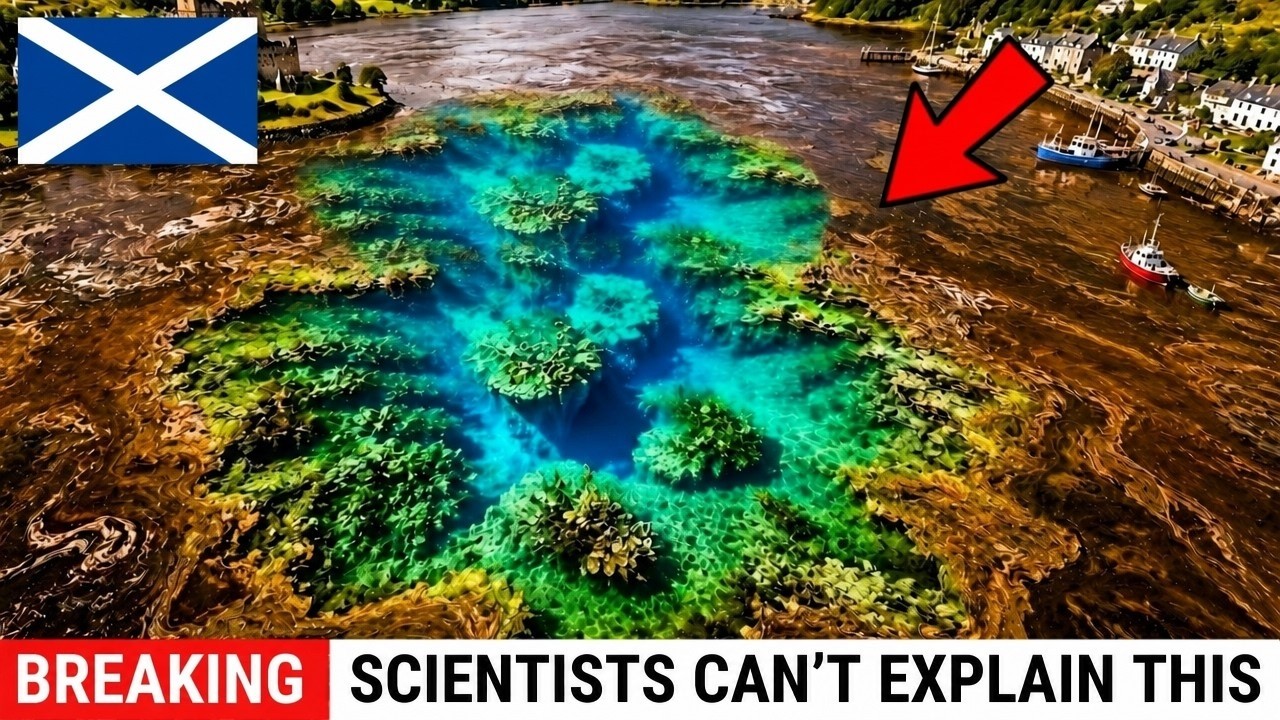
Driven by Renton’s unwavering leadership and the dedication of over 60 local volunteers from the Craignish Restoration of Marine and Coastal Habitats (CROMACH) association, the team aggressively scaled up their operations. The local community painstakingly constructed a highly sophisticated floating nursery to nurse fragile six-month-old oyster spats until they were resilient enough to survive natural predators on the open seabed. Through this relentless mobilization of “people power,” the initiative rapidly expanded from its initial 1,000 pioneers to successfully translocate over 350,000 native oysters directly onto pre-surveyed sea-bed sites.
These re-established native oysters immediately functioned as “ocean superheroes,” deploying their natural biological traits to act as massive, living water filtration pumps. A single mature native oyster can efficiently filter up to 200 liters of water every single day, scrubbing away dangerous pollutants, particulate matter, and heavy chemical effluents from the murky sea depths. As thousands of these organisms worked in unison, the historically choked and stagnant waters of Loch Craignish experienced an unprecedented clarification process, restoring vital sunlight penetration and essential oxygenation back to the marine ecosystem.
Beyond dramatic water purification, the physical presence of the oysters completely reshaped the topography of the loch by serving as critical ecosystem engineers. As the growing oysters settled and clustered together, they naturally engineered intricate, three-dimensional biogenic reefs that drastically increased the spatial complexity of the sea floor. These newly formed reef structures provided crucial shelter, stabilization, and nutrient-rich nursery grounds for a diverse array of marine wildlife. Barren, lifeless stretches of the Scottish shoreline were rapidly converted into highly dynamic and buzzing biodiversity hotspots, attracting more than 50 distinct species of fish and crustaceans.
Recognizing that marine ecosystems require a holistic recovery approach, Renton and his dedicated team seamlessly integrated their oyster reintroduction program with aggressive seagrass restoration. Seawilding pioneered a breakthrough translocation methodology, successfully planting 400,000 seagrass seeds and thousands of adult shoots to dramatically increase seabed vegetative coverage from a mere 10% to an astonishing 70% in just 15 months. This critical combination of thriving oyster reefs and lush seagrass meadows created a powerful ecological synergy, significantly boosting local carbon sequestration while anchoring the shifting sediments against coastal erosion.
The definitive validation of this multi-year campaign came when scientific monitoring confirmed that the reintroduced oyster population had successfully achieved self-sustaining reproduction. The natural spawning and recruitment of new wild oyster generations within the loch definitively proved that heavily damaged marine habitats can fully recover their autonomous reproductive capabilities when given a legally protected foundation. This milestone marked a transition from an artificial human intervention to a permanent, self-perpetuating cycle of natural coastal recovery.
Ultimately, the triumphant revival of Loch Craignish delivers a powerful, scalable blueprint for international coastal restoration projects facing similar environmental crises. By blending meticulous academic science with local community passion, Danny Renton’s grassroots movement demonstrates that dedicated individuals can successfully reverse decades of severe environmental degradation. The remarkable transformation of this Scottish loch stands as a definitive, undeniable proof that when humanity steps back and empowers nature to heal itself, the environment responds with an unbelievable capacity for absolute renewal.