DNA and the Paracas Skulls — Why the Claims Shocked the Internet, and What Science Actually Says
Claims that DNA has proven the Paracas skulls are “not fully human” have exploded across the internet—leaving the public stunned and scientists frustrated. The elongated skulls from Peru are undeniably strange, visually arresting, and deeply mysterious. But when the genetic evidence is examined carefully, the real story turns out to be far more complex—and far more human—than the headlines suggest.
 🧠 THE SKULLS THAT STARTED A GLOBAL CONTROVERSY
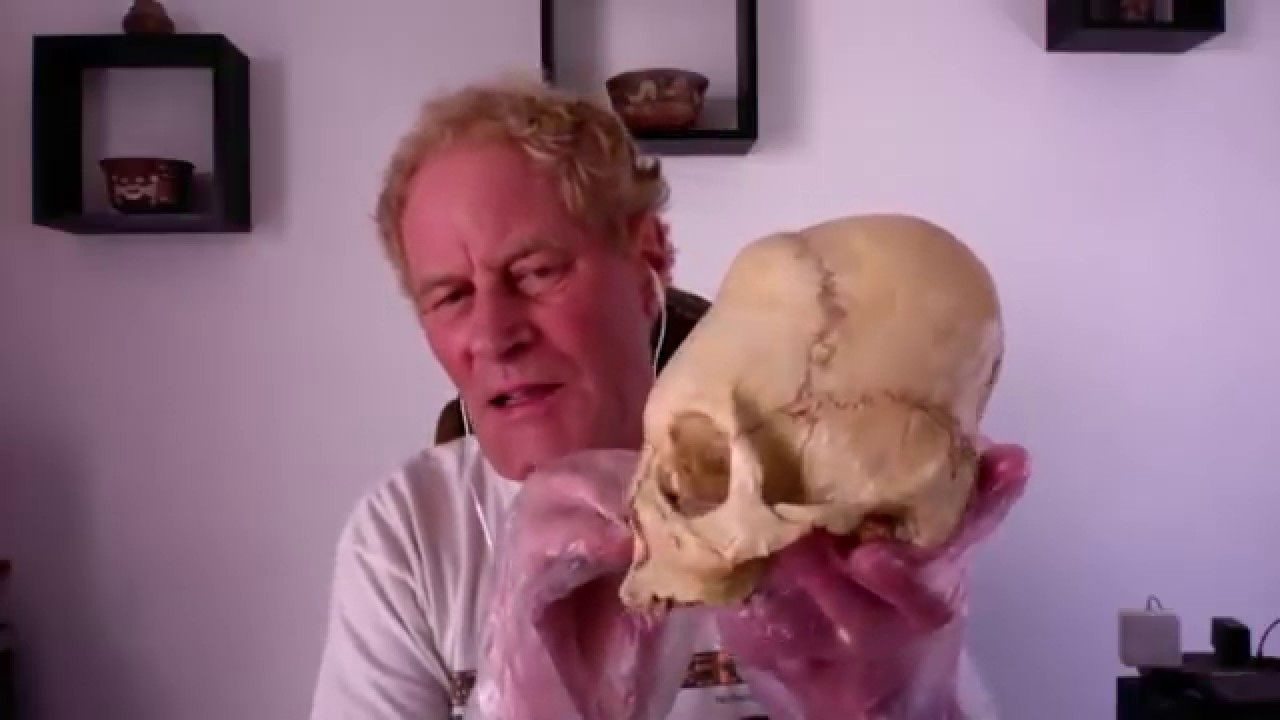
Discovered in 1928 on Peru’s southern coast, the Paracas skulls are famous for their:
-
Extreme elongation
-
Unusual cranial volume
-
Apparent differences in sutures and bone thickness
For decades, these traits fueled speculation. Were they the result of artificial cranial deformation, a known cultural practice? Or evidence of something biologically different?
That question became explosive when online reports claimed DNA testing showed the skulls were “not fully human.”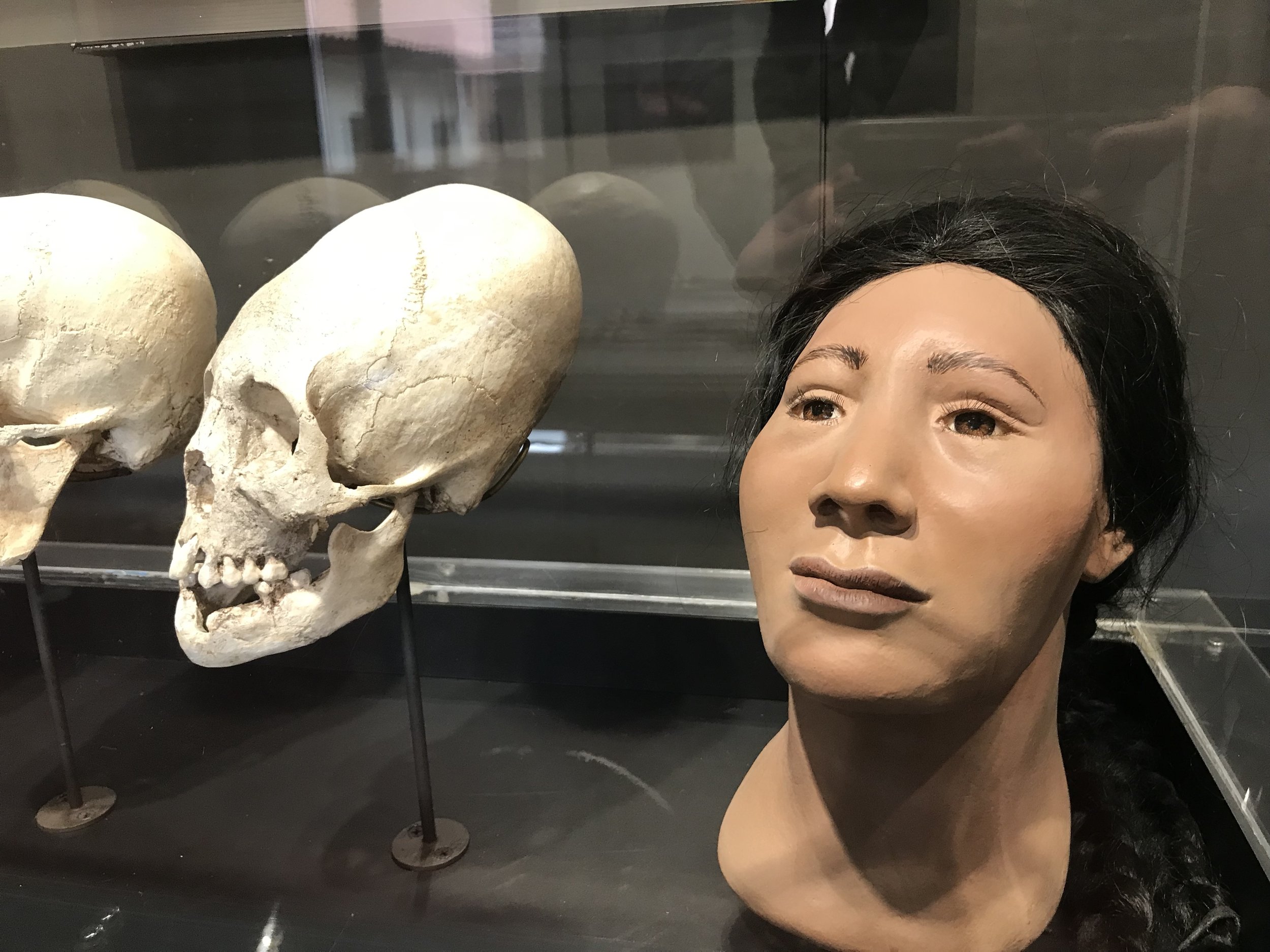 🧬 WHAT DNA TESTING REALLY REVEALED
Here’s where science draws a firm line.
To date, no peer-reviewed genetic study has shown the Paracas skulls to be non-human or partially non-human.
What legitimate analyses have shown:
-
The DNA recovered is ancient human DNA
-
Degradation, contamination, and limited samples complicate results
-
Some genetic markers appear unusual, but still fall within human variation
Scientists emphasize that ancient DNA often looks “strange” due to:
-
Damage over time
-
Environmental contamination
-
Incomplete sequencing
None of this equates to a non-human lineage.
 🪢 THE REAL EXPLANATION: CULTURE, NOT ALIENS
Mainstream archaeology and bioanthropology point to intentional cranial deformation, a practice documented across:
-
The Andes
-
Mesoamerica
-
Central Asia
-
Africa
In Paracas society, skull shaping likely:
-
Marked elite status
-
Signified lineage or identity
-
Began in infancy, permanently altering skull growth
Importantly, cranial deformation can dramatically change skull shape without changing DNA at all.
 🧵 WHY THE PARACAS STILL MATTER
Even without sensational claims, the Paracas culture remains extraordinary:
-
Among the most advanced textile producers in the ancient world
-
Practiced complex burial rituals
-
Demonstrated sophisticated medical knowledge, including trepanation
Their skulls are a testament not to non-human origins—but to how radically culture can shape the human body.
⚠️ WHY SCIENTISTS PUSH BACK HARD
Researchers are vocal because claims of “non-human DNA”:
-
Misrepresent how genetics works
-
Exploit incomplete data
-
Distract from real, evidence-based discoveries
Several viral DNA claims trace back to:
-
Non-peer-reviewed tests
-
Private samples with no chain of custody
-
Misinterpretations of damaged genetic sequences
In science, extraordinary claims require extraordinary evidence—and that evidence does not exist here.
 🧩 THE REAL MYSTERY IS STILL UNSOLVED
The Paracas skulls don’t rewrite human evolution—but they do challenge us to rethink:
-
Identity and status in ancient societies
-
How far cultures went to shape the human form
-
How easily mystery becomes myth in the digital age
The truth may be less sensational than “not fully human,” but it is no less fascinating.
🕯️ FINAL VERDICT
✔ The Paracas skulls are human
✔ Their shape is cultural, not biological
✔ DNA evidence does not support non-human origins
Yet the fascination endures—because these skulls remind us that ancient humanity was far stranger, bolder, and more complex than we often imagine.
And sometimes, the real story is more powerful than the myth.