The Double Life of Mary Tyler Moore: The Hidden Grief Behind America’s Brightest Smile
For decades, Mary Tyler Moore stood as the ultimate symbol of American optimism, independence, and radiant charm. Through her iconic roles on The Dick Van Dyke Show and The Mary Tyler Moore Show, she redefined the modern woman on television, convincing millions that a quick wit and a bright smile could conquer any obstacle. Yet, behind the flawless comedic timing and the legendary cap-toss that captured a nation’s heart, Moore was quietly waging a fierce, decades-long battle against a succession of private horrors. The woman who taught a generation how to “turn the world on with her smile” was, in reality, masking profound emotional wounds that few outside her inner circle could fathom.
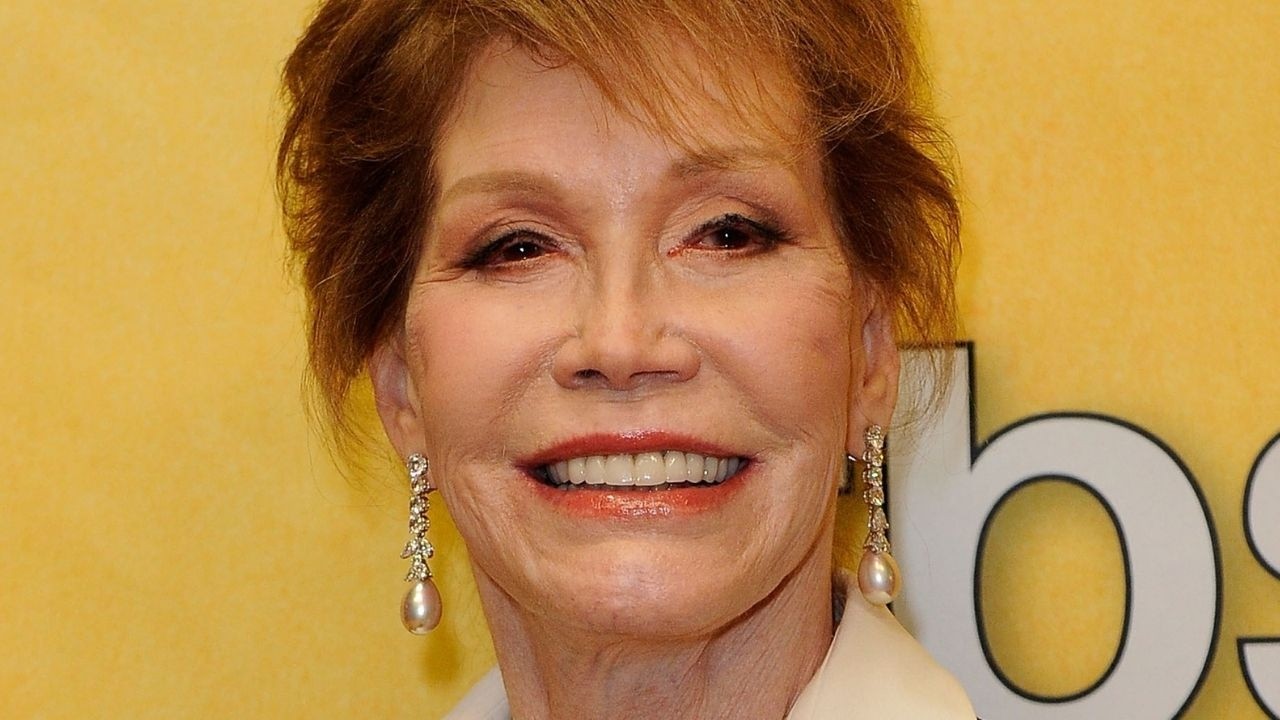
The cracks in the armor began long before she ever stepped into a Hollywood studio. Growing up in a household deeply fractured by parental alcoholism, Moore internalized an early, heavy burden of emotional instability and hyper-vigilance. This painful childhood landscape left deep psychological scars that quietly followed her into the glitz and glamour of adult stardom. Instead of escaping her past through fame, she eventually found herself trapped in the exact same generational cycle she had witnessed as a child, secretly turning to alcohol to numb the compounding pressures of her extraordinary career.
While television audiences tuned in each week to see a confident, self-reliant woman thriving in the workplace, Moore was privately confronting a devastating medical diagnosis. At just 33 years old, at the absolute peak of her sitcom success, she was diagnosed with Type 1 diabetes. In an era when the disease was poorly understood by the public, she chose to manage her diagnosis in near-total secrecy, routinely administering insulin shots and monitoring her health between takes. Over the years, this chronic condition quietly ravaged her body, leading to severe visual impairment and peripheral vascular disease—complications she fiercely hid to preserve the illusion of her effortless perfection.
However, no physical ailment or private addiction could compare to the shattering emotional trauma that fundamentally rewrote the narrative of her life. In 1980, the ultimate tragedy struck when her only child, 24-year-old Richard Meeker Jr., died from an accidental, self-inflicted gunshot wound. The devastating loss of her son threatened to completely break the television icon, plunging her into a profound, suffocating grief that no amount of professional accolades or public adoration could ever heal.
It was only later in life, with the publication of her raw and unflinching 1995 memoir After All, that Moore courageously chose to tear down the carefully curated facade. She checked herself into the Betty Ford Center to conquer her alcohol dependency, publicly owning her flaws with the same dignity that defined her career. By pulling back the curtain on her double life, she transformed her private suffering into a beacon of hope, using her remaining decades to fiercely advocate for juvenile diabetes research and animal welfare. Ultimately, Mary Tyler Moore’s greatest legacy was not just her flawless comedic timing, but her tremendous, invisible resilience—proving that true strength is found not in a life without sorrow, but in the courage to survive it.