The Steely Facade of Ruby Stevens: How Barbara Stanwyck Transformed Deep Personal Trauma Into Hollywood Gold
The flashing lights of classic Hollywood often blinded the public to the raw human costs of fame. While audiences in the 1940s gasped at the cold, calculating brilliance of Barbara Stanwyck in Double Indemnity, few realized they were witnessing a masterclass in survival. The fierce, unbreakable woman on the silver screen was not a mere theatrical invention, but a protective armor forged in the fires of a devastatingly brutal childhood.
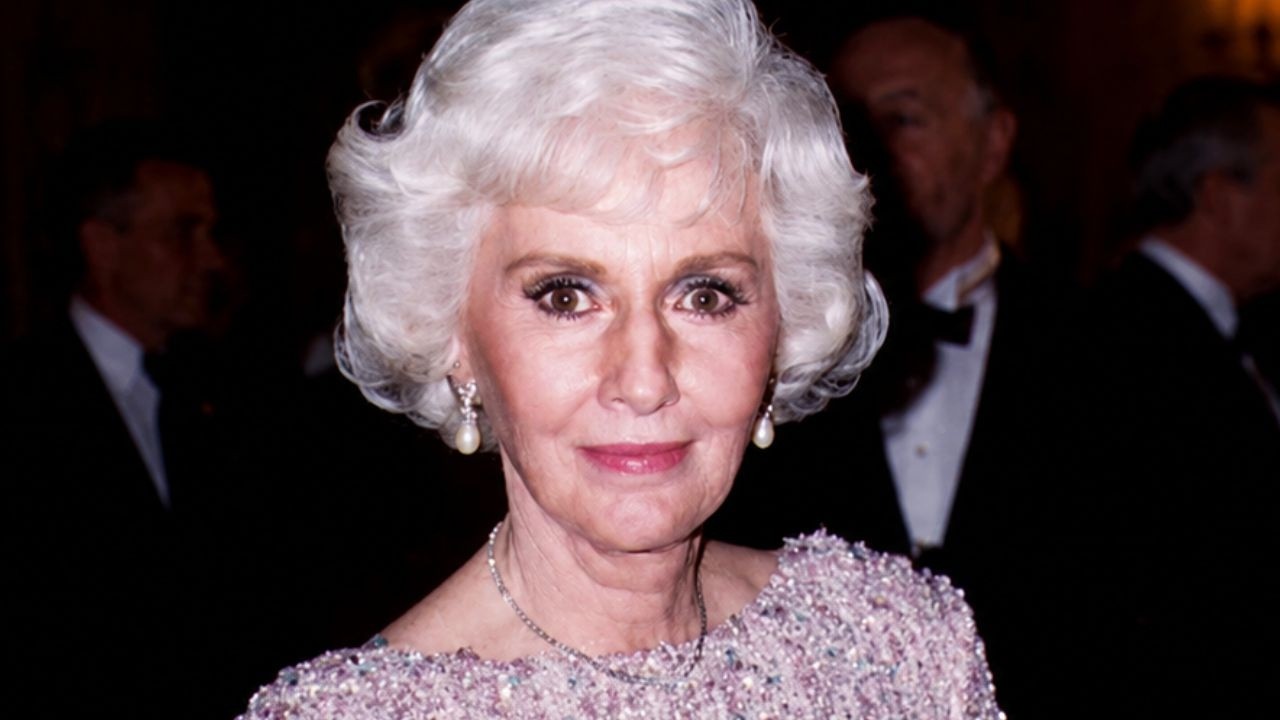
Long before she became an icon of cinema, she was Ruby Stevens, a helpless four-year-old child left adrift in a cold world after her mother’s tragic death. Ripped away from any semblance of family stability, young Ruby grew up in a revolving door of lonely foster homes and austere orphanages. This early emotional starvation forced her to grow up instantly, leaving school at the tender age of thirteen simply to secure her next meal.
Her initial escape route from poverty was paved with grit, sweat, and the smoky air of New York City dance clubs. Working as a teenage chorus girl, she learned to weaponize her vulnerability into a sharp, magnetic stage presence that eventually caught the eye of Hollywood talent scouts. Yet, as Ruby Stevens faded into the stage name Barbara Stanwyck, the profound scars of her youth remained deeply embedded beneath her glamorous new skin.
Once in Hollywood, Stanwyck systematically redefined the roles available to women across six spectacular decades of artistic dominance. She specialized in portraying characters who possessed a fierce, uncompromising intellect and an emotional armor that no man could easily pierce. From the desperate sacrifices of Stella Dallas to the sharp-witted deception in The Lady Eve, her performances crackled with an authenticity that could only be drawn from real-world suffering.
Tragically, the immense success and adoration of millions failed to heal the deep fractures within her private life. Her search for domestic stability resulted in two agonizing, highly publicized marital failures that left her emotionally exhausted. Furthermore, the ultimate heartbreak came from a bitter, permanent estrangement from her adopted son, a painful reality that mirrored the isolation of her own childhood.
Instead of collapsing under the crushing weight of these continuous personal tragedies, Stanwyck made a deliberate, life-defining choice to bury her grief entirely within her craft. Every ounce of her private agony, unwept tears, and internal rage was channeled directly into her complex cinematic characters. Work became her ultimate sanctuary, her religion, and the only place where she could safely expose her wounded soul without fear of judgment.
When the Academy finally honored her enduring legacy with an Honorary Oscar in 1982, the world celebrated a Hollywood titan of unparalleled versatility. But the true triumph of Barbara Stanwyck lies in the silent victory of Ruby Stevens, the abandoned girl who transformed absolute heartbreak into timeless art. Her life stands as a haunting reminder that Hollywood’s greatest legends are often fueled by secrets we are only now beginning to understand.