The Sumerian Map That Shows 6 Destroyed Planets
The K8538 cuneiform tablet, an ancient Sumerian artifact, sits at the center of a debate between mainstream archaeology and alternative interpretations. While mainstream experts identify it as an astrolabe, a tool for tracking constellations, proponents of alternative history, heavily influenced by Zecharia Sitchin, argue it represents a map of a catastrophic cosmic war.
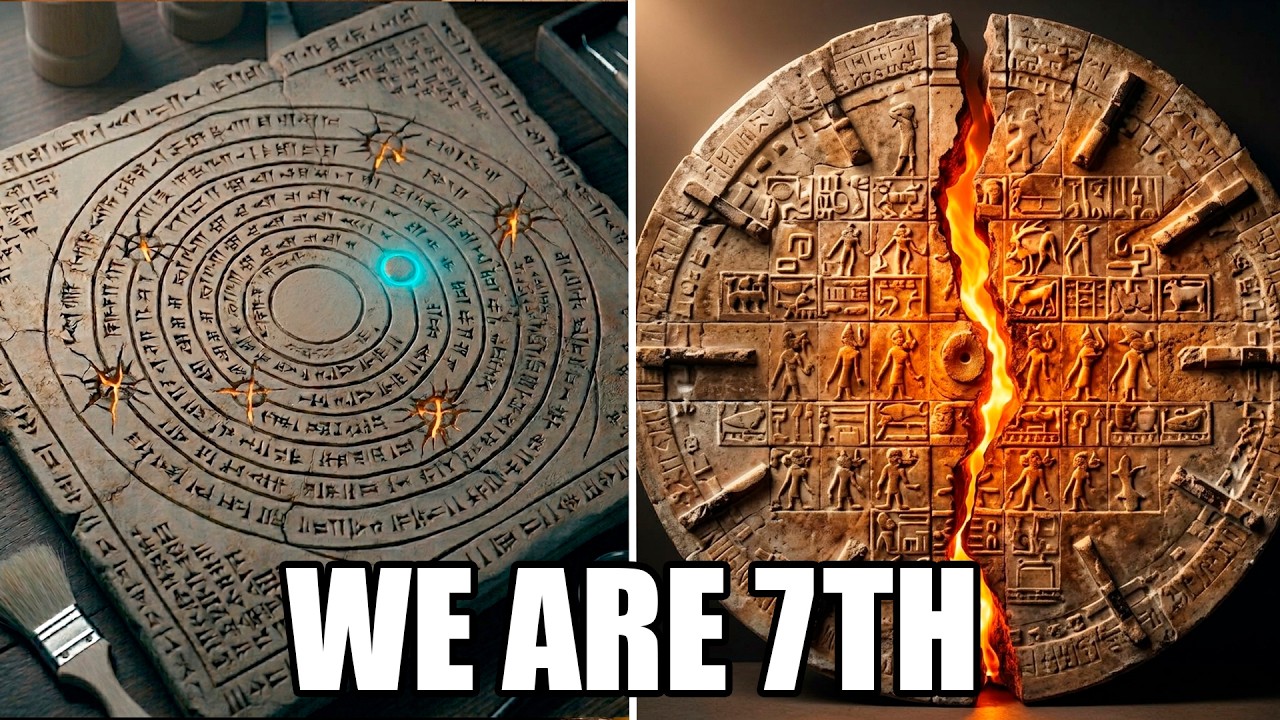
Sitchin popularized the theory that the tablet outlines a rogue planet, Nibiru, that destroyed an ancient world, using its geometry to support a dramatic narrative that challenges conventional academic understanding. Conversely, Assyriologists and historians dismiss these interpretations, arguing that the cuneiform symbols on the tablet are misinterpreted, emphasizing that the artifact represents sophisticated, yet earthly, observational astronomy.
Modern astrophysics further contradicts the alternative narrative, explaining that the asteroid belt is not the debris of a destroyed planet but rather primordial material that failed to coalesce due to Jupiter’s gravity. Despite this, the tablet’s precise segmentation keeps it relevant, with researchers like Hempsell and Bond proposing it documents an ancient asteroid impact, adding to the intrigue.
Ultimately, the enduring fascination with the K8538 tablet highlights a human desire for hidden, ancient wisdom, turning a scientific object into a focal point of speculative, modern storytelling. The tablet is a testament to ancient ingenuity, representing a sophisticated, early attempt to map and understand the night sky with precision. For more, explore the debate over the tablet’s origins and its place in history.